Too Good to Waste
Adam Basanta, Ari Bayuaji, Alexa Kumiko Hatanaka, and Kelly Jazvac
July 22 – September 6, 2024
This selection of works was curated in relation to the exhibition in the FOFA Gallery’s Main
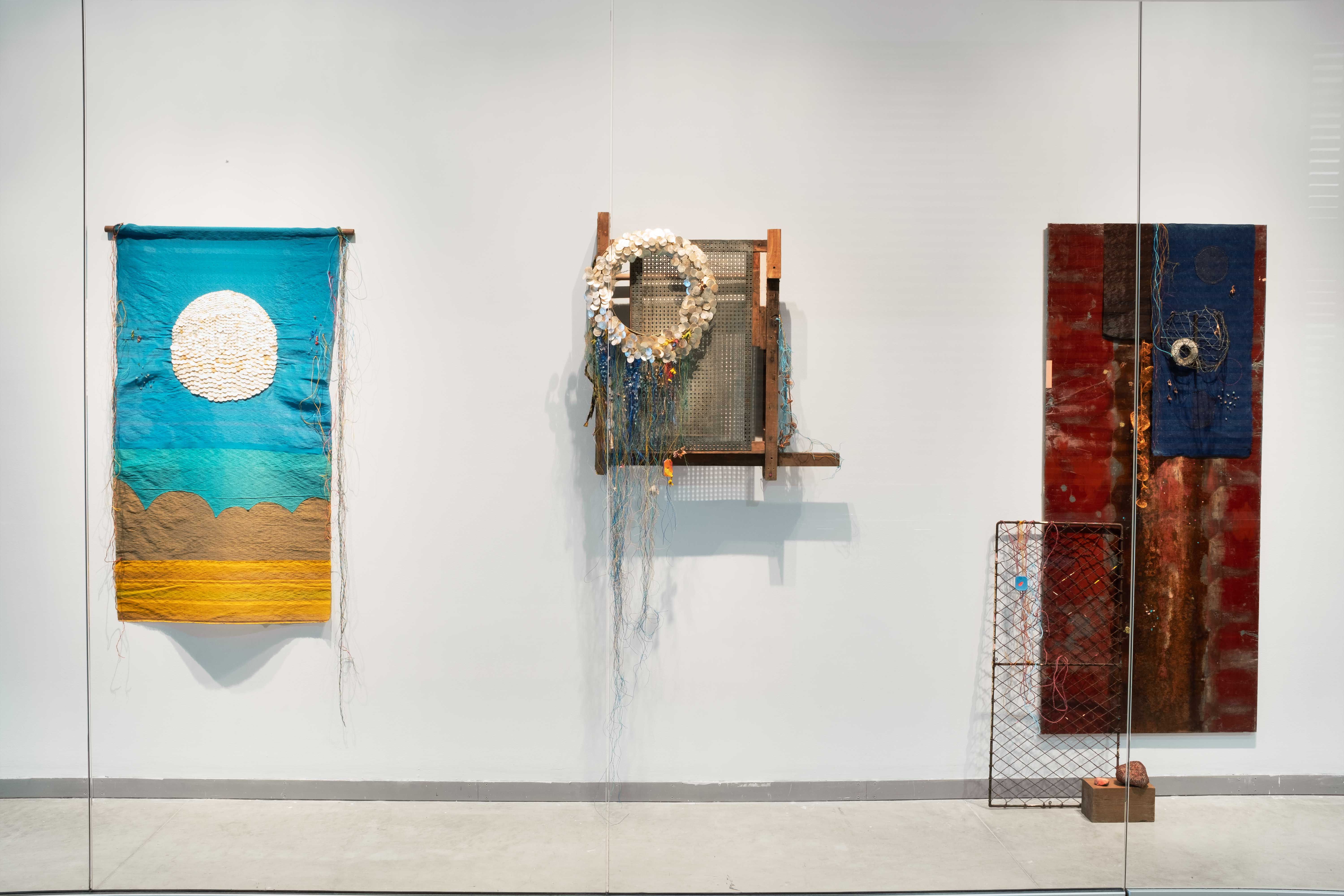
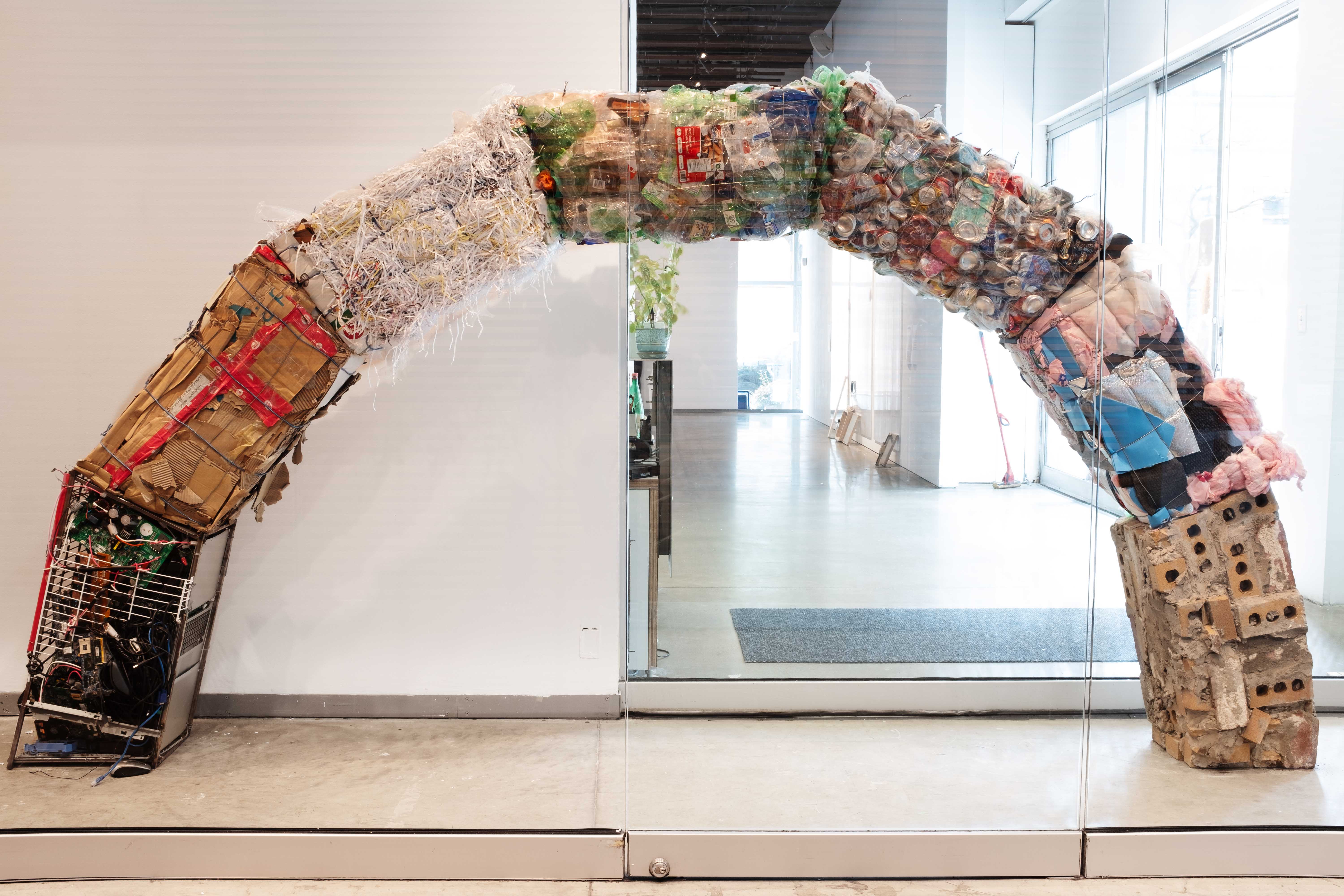
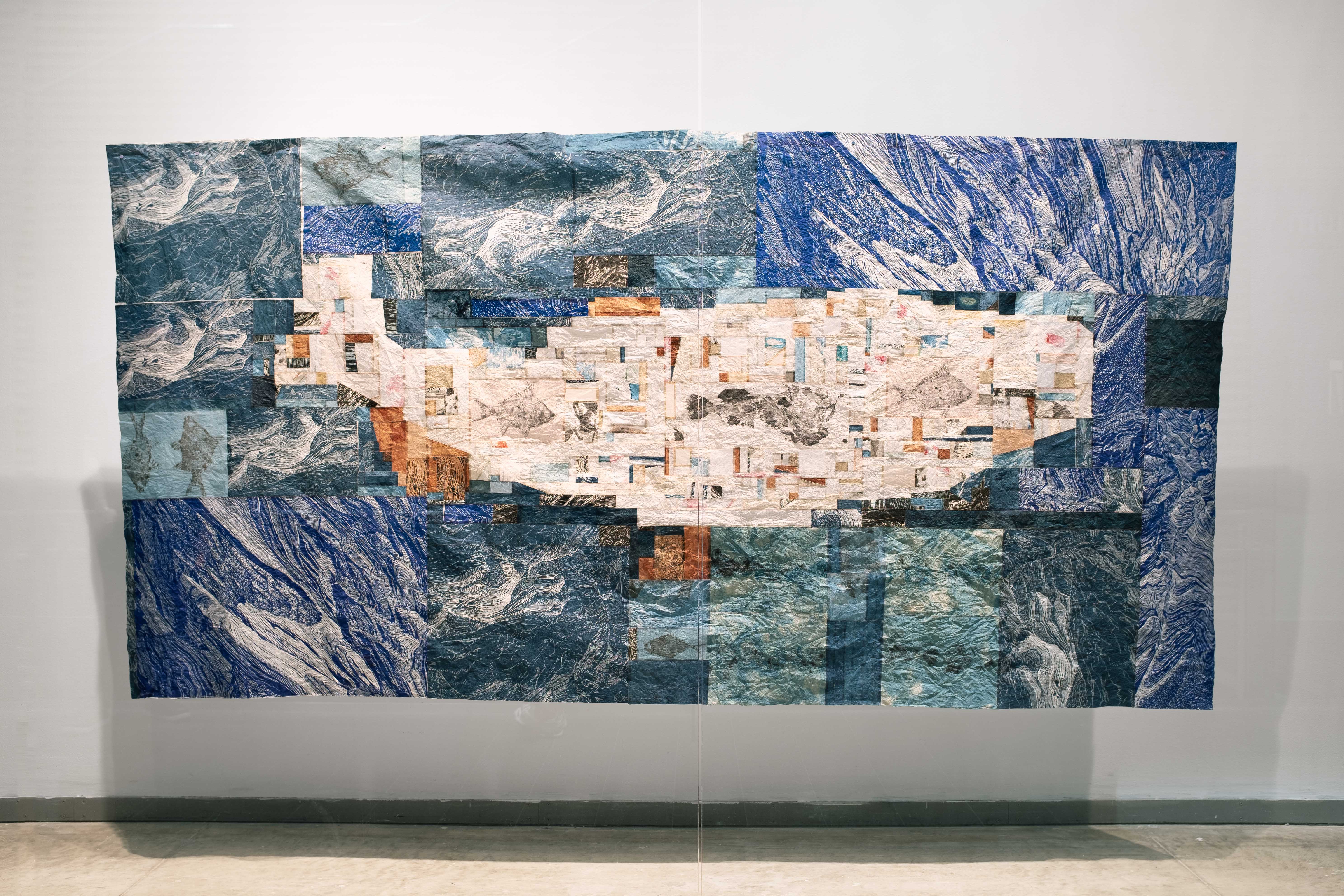
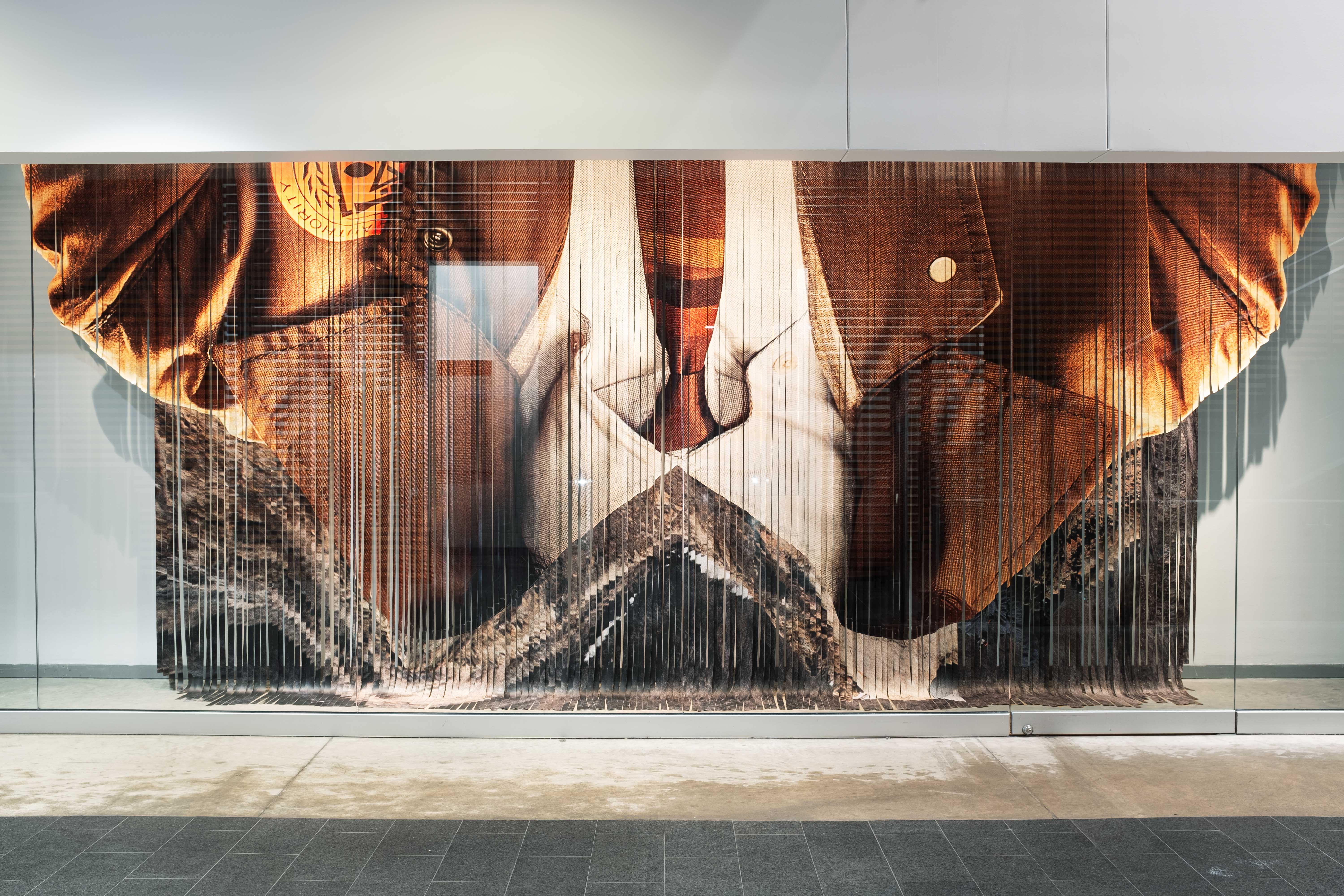
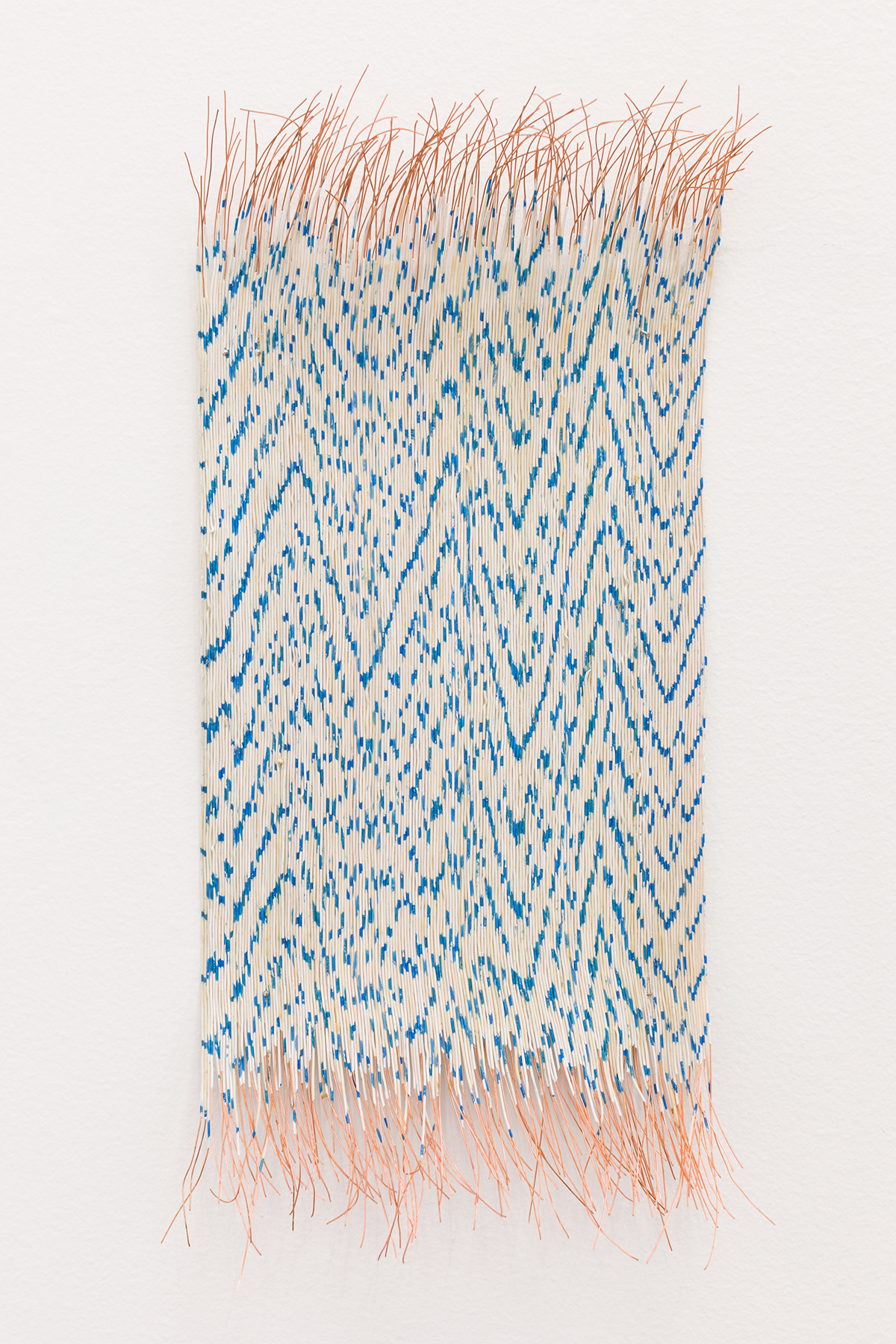
Space, expanding upon its themes of labour, material care, reuse, and sustainability. Artists Adam Basanta, Ari Bayuaji, Alexa Kumiko Hatanaka, and Kelly Jazvac all use repurposed materials or scraps, resourcefully transforming these into artworks that find new ways to value what is usually considered waste. Using hands-on processes that require a deep engagement with their specific materials, these works draw attention to items that might otherwise be overlooked or discarded. Each of the works presented here intervenes at a distinct moment into the usual cycle of production-consumption-disposal, rethinking the idea that anything can be thrown “away.”
In a statement about her practice, Hatanaka cites the Japanese concept of mottainai or “too good to waste,” to describe how she saves scraps for inclusion in future works. This view towards the future, combined with an acknowledgement of the intrinsic value of even the smallest leftover pieces, offers a powerful framework for rethinking the very concept of waste. Like the works presented here, it asks us to think more carefully and more creatively about the materials that surround us, alongside the urgent need to reconsider how we interact with the systems and resources we rely on.
Read the full text on FOFA’s website.
Read a review by Vanessa Haugel.
All photos by Paras Vijan.


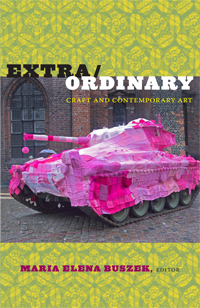 “In Craft Hard Die Free: Radical Curatorial Strategies for Craftivism, Anthea Black and Nicole Burisch provide a brief international survey of activities which seek to deploy craft for the purposes of protest. Knitting, and other textile arts traditionally associated with communal crafting, plays the leading role. The concept of the ‘revolutionary knitting circle’ recalls the 1970s feminist use of a similar group exchange as a form of consciousness raising. Black and Burisch also cite the AIDS Quilt project of the 1980s as an important precursor for the present moment. So much for precedents, what about the future? Clearly, efficacy and identity are interwoven in this essay, which takes for granted another 70s concept–that the personal is political–and offers real-world strategies for [maintaining] the efficacy of symbolic craft. It is too early to say whether craftivism will have staying power in the cultural imagination, like the Arts and Crafts, studio and countercultural craft movements before it. But there is little doubt that Black, Burisch and their peers have breathed new life into this old set of ideas.”
 Nicole Burisch